
Keratoconus & Irregular Cornea
- Home
- /
- Keratoconus & Irregular Cornea

Keratoconus and irregular corneal disorders can affect the shape of the cornea, leading to blurred or distorted vision and reduced visual quality. At Pristine Eye Clinic, Dr. Yogesh Bhadange provides comprehensive evaluation and personalised treatment to help preserve vision, slow disease progression, and improve long-term eye health
Why Choose Pristine Eye Clinic
Why Choose Pristine Eye Clinic for Keratoconus & Irregular Cornea Care?
At Pristine Eye Clinic, every patient undergoes a detailed corneal evaluation to accurately diagnose the underlying condition. Dr. Yogesh Bhadange provides personalised treatment plans using advanced diagnostics to help preserve vision and maintain long-term eye health.
- Highest safety standard
- High success rate with low complication rate
- Experienced Surgeons
- Ethical work and integrity in eye care
- Transparent Pricing
- Personalized Treatment Plans
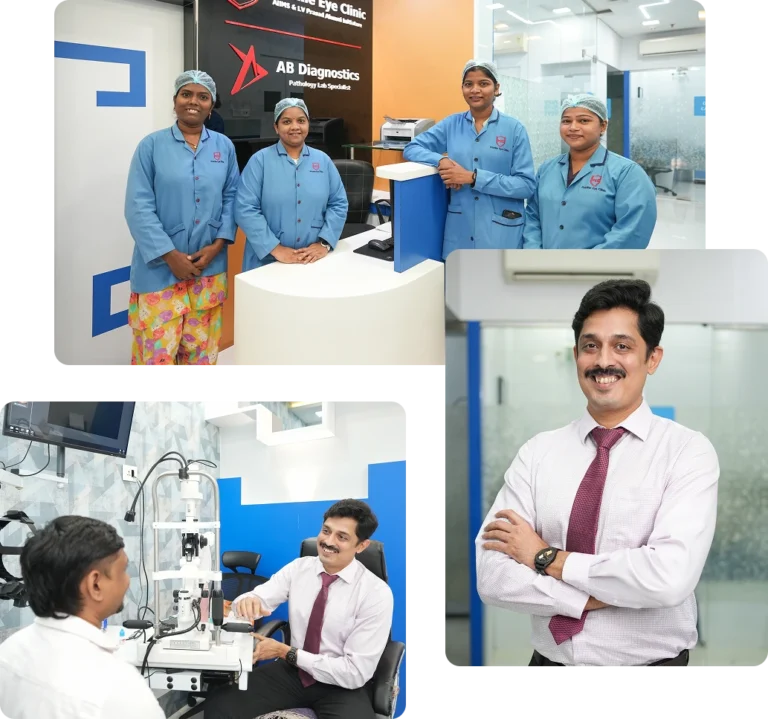
Meet Your Ophthalmologist
Dr. Yogesh Bhadange
Dr. Yogesh Bhadange is a fellowship-trained Cornea, Cataract, and Refractive Surgeon with over 15 years of clinical and surgical experience. Trained at AIIMS, New Delhi, L.V. Prasad Eye Institute, and Price Vision Group, USA, he specializes in advanced cataract surgery, corneal disorders, keratoconus, corneal transplantation, and laser vision correction. His patient-first approach and commitment to evidence-based care have earned him the trust of patients across Mumbai.
Our Benifits
Why Early Diagnosis Matters
Preserves Vision
Early diagnosis helps maintain clearer vision and slow disease progression.
Slows Progression
Timely treatment can help prevent further thinning of the cornea.
More Treatment Options
Early-stage conditions can often be managed with more treatment choices.
Prevents Complications
Regular monitoring helps reduce the risk of advanced corneal damage.
Improves Quality of Life
Better vision supports daily activities, work, and overall confidence.
Supports Long-Term Eye Health
Ongoing care helps protect the cornea and preserve healthy vision.
Looking After Your Vision Starts with the Right Care
Whether you're experiencing changes in your vision or have been diagnosed with cataracts, our team is here to guide you with expert advice, comprehensive evaluation, and personalised treatment.
What is Keratoconus & Irregular Corneal Disorder?
Keratoconus and other irregular corneal disorders occur when the cornea becomes thin, weak, or loses its natural shape. As the cornea becomes irregular, light cannot focus properly on the retina, resulting in blurred, distorted, or fluctuating vision. Early diagnosis and timely treatment can help preserve vision and prevent further progression.
Common Symptoms of Keratoconus & Irregular Corneal Disorder
You may experience:
- Blurred or distorted vision
- Frequent changes in glasses prescription
- Glare and halos around lights
- Difficulty seeing at night
- Double or ghost images
- Increased sensitivity to light
- Eye strain or headaches
- Progressive worsening of vision
Why Timely Treatment Matters
Preserves Vision
Helps maintain clearer vision by slowing disease progression.
Prevents Further Corneal Damage
Early care reduces the risk of worsening corneal thinning.
Expands Treatment Options
More treatment options are available when diagnosed early.
Improves Visual Quality
Better management helps improve everyday visual function.
Supports Long-Term Eye Health
Regular monitoring helps protect your cornea over time.
Types of Keratoconus & Irregular Corneal Disorders
Keratoconus – A progressive condition where the cornea gradually thins and bulges into a cone-like shape, causing distorted vision.
Post-LASIK Ectasia – A rare condition in which the cornea weakens after LASIK surgery, leading to progressive changes in vision.
Pellucid Marginal Degeneration (PMD) – A less common corneal disorder characterised by thinning near the lower edge of the cornea, resulting in irregular astigmatism.
Irregular Cornea – An irregular corneal surface caused by previous surgery, injury, infection, scarring, or other corneal conditions.
Get Quality Eye Care Anytime
Schedule your appointment with our trusted optometrists and receive professional eye care tailored to your needs using advanced diagnostic technology.
Patient FAQs
Frequently Asked Questions About Keratoconus & Irregular Corneal Disorders
Have questions about keratoconus or irregular corneal disorders? Find answers to some of the most common concerns to help you better understand the condition and available treatment options.
Keratoconus is a progressive eye condition in which the cornea becomes thinner and gradually bulges outward into a cone-like shape, causing blurred and distorted vision.
An irregular cornea may develop due to keratoconus, previous eye surgery, injury, infections, corneal scarring, or certain corneal diseases.
Yes. Keratoconus is a progressive condition and may worsen if left untreated. Regular eye examinations help monitor the condition and guide timely treatment.
A comprehensive eye examination along with advanced tests such as corneal topography and tomography helps accurately diagnose keratoconus and other irregular corneal disorders.
You should seek an evaluation if you experience persistent blurred vision, frequent changes in your glasses prescription, or have a family history of keratoconus.
Yes. Depending on the severity of the condition, treatment can help improve vision, slow disease progression, and preserve long-term eye health.
No. Not every patient requires surgery. The most appropriate treatment depends on the stage of the condition and your individual eye health.
Book Appointment
Schedule Your Consultation
Whether you're experiencing changes in your vision or would like a comprehensive eye examination, our team is here to help. Book a consultation with Dr. Yogesh Bhadange for expert evaluation and personalised eye care.
- Pristine eye clinic, first floor, Chaitanya residency, Jay Prakash Nagar road no.2, Goregaon East, Mumbai-400063., Maharashtra, India
- pristineeyeclinic@gmail.com