
Keratoconus Treatment
- Home
- /
- Keratoconus Treatment
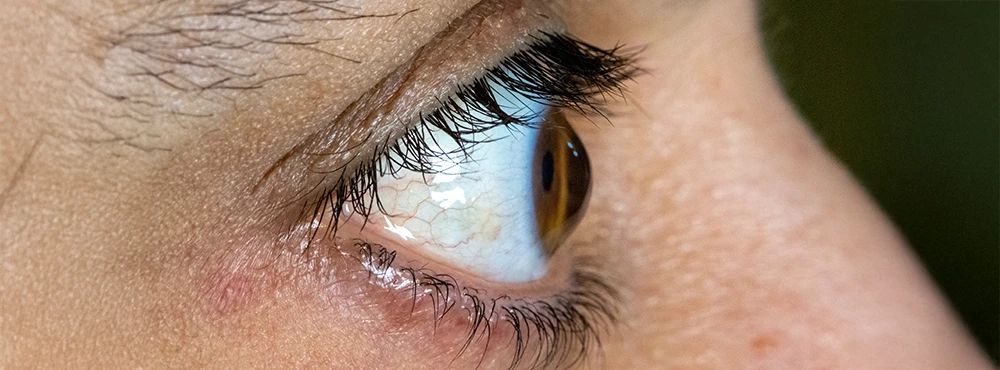
Keratoconus is a progressive eye condition in which the cornea gradually becomes thinner and bulges into a cone-like shape. This irregular corneal shape causes blurred vision, increasing astigmatism, glare, and difficulty with daily activities. If left untreated, keratoconus can progress and significantly affect vision.
Why Choose Pristine Eye Clinic
Why Choose Pristine Eye Clinic for Keratoconus Treatment?
At Pristine Eye Clinic, we combine advanced corneal diagnostics with evidence-based treatments to diagnose keratoconus early, prevent progression, and improve vision. Every patient receives an individualised treatment plan based on the stage of keratoconus, corneal thickness, age, and visual requirements.
- Highest safety standard
- High success rate with low complication rate
- Experienced Surgeons
- Ethical work and integrity in eye care
- Transparent Pricing
- Personalized Treatment Plans
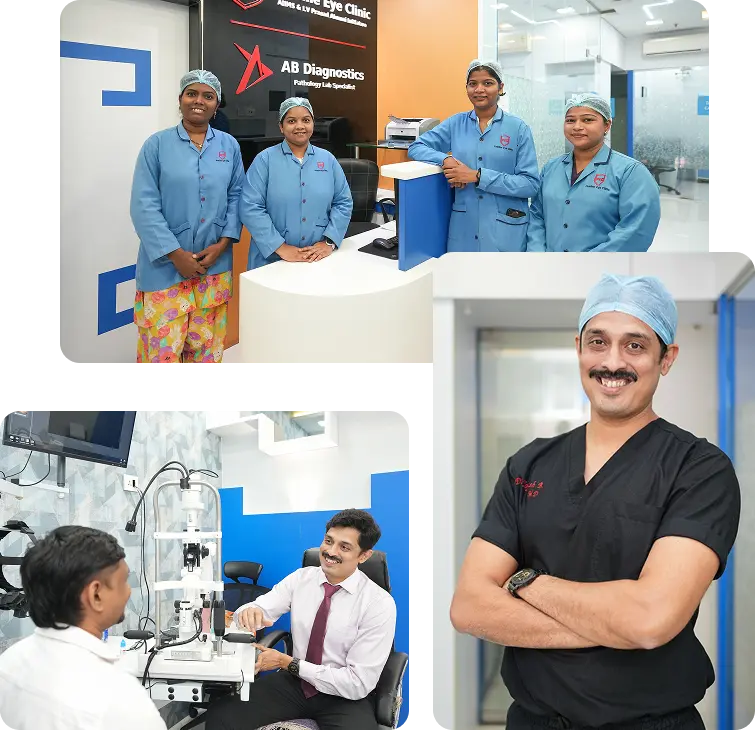
Meet Your Ophthalmologist
Dr. Yogesh Bhadange
Dr. Yogesh Bhadange is a fellowship-trained Cornea, Cataract, and Refractive Surgeon with over 15 years of clinical and surgical experience. Trained at AIIMS, New Delhi, L.V. Prasad Eye Institute, and Price Vision Group, USA, he specializes in advanced cataract surgery, corneal disorders, keratoconus, corneal transplantation, and laser vision correction. His patient-first approach and commitment to evidence-based care have earned him the trust of patients across Mumbai.
OUR BENEFITS
How Timely Keratoconus Treatment Makes Difference?
Timely treatment can stop disease progression, preserve vision, and reduce the likelihood of requiring corneal transplantation.
Slows Disease Progression
Early intervention helps strengthen the cornea and prevent worsening.
Improves Vision Quality
Reduces irregular astigmatism and enhances visual clarity.
Preserves Corneal Health
Maintains corneal strength and delays advanced disease.
Reduces Need for Corneal Transplant
Cross-linking performed at the right stage can significantly reduce the need for future corneal transplantation.
Personalised Vision Correction
Specialty contact lenses and advanced procedures improve functional vision.
Safe & Effective Treatment Options
Modern keratoconus treatments have excellent safety profiles and long-term success.
Looking After Your Vision Starts with the Right Care
Whether you're experiencing changes in your vision or have been diagnosed with cataracts, our team is here to guide you with expert advice, comprehensive evaluation, and personalised treatment.
What is Keratoconus Treatment?
Understanding Keratoconus
Keratoconus is a progressive corneal disorder in which the normally round cornea becomes thin and gradually bulges outward into a cone shape. This causes irregular focusing of light, resulting in distorted and blurred vision.
The condition usually begins during the teenage years or early adulthood and may continue progressing for several years. Early diagnosis is essential because treatments such as Corneal Collagen Cross-Linking (C3R) can halt progression and preserve vision before permanent damage occurs.
Symptoms to Know When to Seek Keratoconus Treatment
Common Signs of Keratoconus
You should consult an eye specialist if you experience:
- Progressive blurred or distorted vision
- Frequent changes in glasses prescription
- Increasing astigmatism
- Difficulty seeing clearly despite new spectacles
- Glare and halos around lights
- Double or ghost images
- Increased sensitivity to bright light
- Poor night vision
Why Timely Diagnosis Matters
Timely Detection Helps Preserve Vision
Timely diagnosis allows treatment before permanent corneal damage develops.
Prevents Disease Progression
Corneal Cross-Linking can stop keratoconus from worsening when performed early.
Better Treatment Planning
Detailed corneal imaging helps determine the most suitable treatment for each stage.
Preserves Better Vision
Early treatment reduces progressive visual loss and dependence on stronger glasses.
Reduces Need for Corneal Transplant
Managing keratoconus early significantly lowers the likelihood of advanced surgical intervention.
What Are Different Keratoconus Treatment Options?
Advanced Keratoconus Treatment Options at Pristine Eye Clinic
Keratoconus treatment depends on the severity of the condition, the rate of progression, corneal thickness, and your visual needs. At Pristine Eye Clinic, we offer a comprehensive range of advanced treatment options designed to halt disease progression, improve vision, and preserve corneal health.
Corneal Collagen Cross-Linking (C3R)
Corneal Collagen Cross-Linking (C3R) is the gold-standard treatment for progressive keratoconus. The procedure uses riboflavin (Vitamin B2) eye drops and controlled ultraviolet-A (UV-A) light to strengthen the collagen fibres within the cornea, making it more stable and preventing further thinning or bulging.
Benefits include:
- Stops or slows the progression of keratoconus
- Strengthens the corneal structure
- Preserves existing vision
- Reduces the risk of requiring corneal transplantation
- Safe, minimally invasive outpatient procedure
CAIRS (Corneal Allogenic Intrastromal Ring Segments)
CAIRS is an advanced keratoconus treatment that uses specially prepared donor corneal tissue implanted within the cornea to improve its shape and stability. Unlike synthetic ring segments, CAIRS uses biological tissue, offering excellent compatibility and maintaining corneal biomechanics.
Benefits include:
- Improves corneal shape and vision
- Uses biocompatible donor corneal tissue
- May reduce irregular astigmatism
- Preserves corneal integrity
- Can be combined with Corneal Cross-Linking for enhanced results
Topography-Guided PRK
Topography-Guided Photorefractive Keratectomy (PRK) is a customised laser procedure performed in carefully selected patients with stable keratoconus, often in combination with Corneal Cross-Linking. The treatment reshapes the corneal surface based on detailed corneal mapping to improve visual quality.
Benefits include:
- Improves corneal surface regularity
- Enhances visual clarity
- Reduces irregular astigmatism
- Customised treatment based on corneal topography
- Often combined with Cross-Linking for long-term stability
DALK (Deep Anterior Lamellar Keratoplasty)
DALK is an advanced partial-thickness corneal transplant performed for patients with advanced keratoconus whose cornea has become significantly scarred or thin while the innermost endothelial layer remains healthy. The diseased front layers of the cornea are replaced with healthy donor tissue, preserving the patient’s own endothelium.
Benefits include:
- Preserves the healthy inner corneal layer
- Lower risk of graft rejection compared to full-thickness transplant
- Excellent long-term visual outcomes
- Improved structural strength of the cornea
- Preferred surgical option for advanced keratoconus in suitable patients
Specialty Contact Lens Fitting
Many patients with keratoconus achieve excellent vision using specially designed contact lenses that create a smooth optical surface over the irregular cornea. These lenses are individually fitted based on detailed corneal measurements to maximise comfort and visual quality.
Benefits include:
- Significantly improves visual clarity
- Corrects irregular astigmatism
- Provides comfortable long-term wear
- Customised to the unique shape of each cornea
- Suitable for mild to advanced keratoconus depending on the condition
Get Quality Eye Care Anytime
Schedule your appointment with our trusted optometrists and receive professional eye care tailored to your needs using advanced diagnostic technology.
Patient FAQs
Frequently Asked Questions About Keratoconus Treatment
Keratoconus can often be successfully managed when diagnosed early. Here are answers to some common questions.
Keratoconus is a progressive condition in which the cornea becomes thin and bulges outward, causing blurred and distorted vision.
Keratoconus cannot be completely cured, but treatments such as Corneal Cross-Linking can stop progression, while other treatments improve vision.
C3R is a minimally invasive procedure that strengthens the cornea and helps prevent keratoconus from worsening.
Many patients continue to use glasses or specialty contact lenses after treatment, although vision often improves significantly.
Corneal transplantation is usually recommended only in advanced keratoconus with severe thinning, scarring, or when other treatments are no longer effective.
Yes. Modern keratoconus treatments, including Cross-Linking, ICRS, and corneal transplantation, are well-established procedures with excellent safety and success rates when performed by experienced corneal specialists.
Book Appointment
Schedule Your Consultation
Whether you're experiencing changes in your vision or would like a comprehensive eye examination, our team is here to help. Book a consultation with Dr. Yogesh Bhadange for expert evaluation and personalised eye care.
- Pristine eye clinic, first floor, Chaitanya residency, Jay Prakash Nagar road no.2, Goregaon East, Mumbai-400063., Maharashtra, India
- pristineeyeclinic@gmail.com