
Complex & Referral Cases
- Home
- /
- Complex & Referral Cases
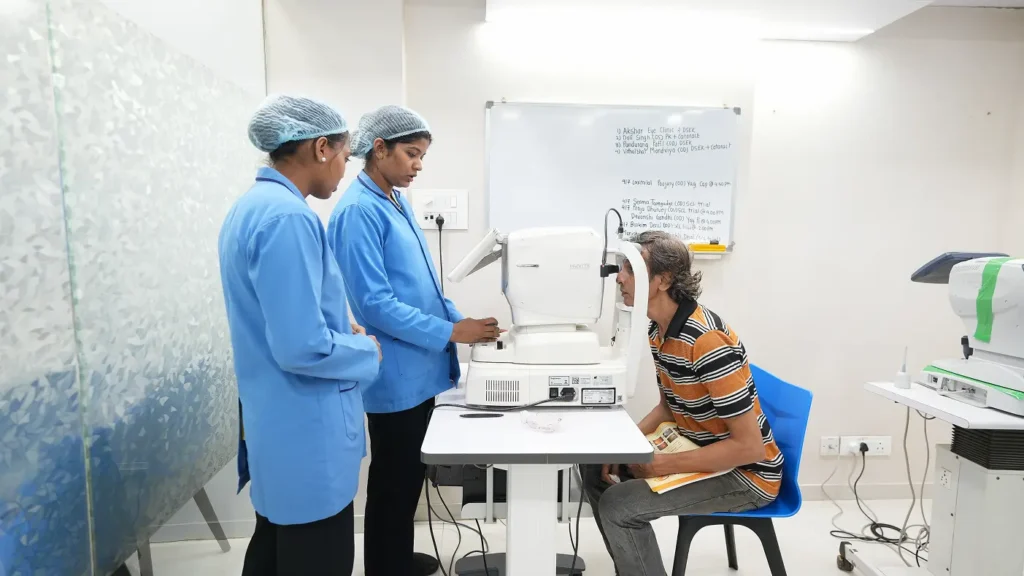
Complex and referral cases include eye conditions that need expert evaluation and specialised treatment. These may involve advanced corneal disorders, complications from previous eye surgeries, persistent ocular surface problems, or referrals for a second opinion. A thorough assessment ensures accurate diagnosis and the best possible care.
Why Choose Pristine Eye Clinic
Why Choose Pristine Eye Clinic for Complex & Referral Cases?
At Pristine Eye Clinic, we combine specialist expertise, advanced diagnostics, and personalised care to manage challenging eye conditions. From difficult corneal disorders to complications after previous surgeries, our goal is to provide accurate diagnosis, effective treatment, and the best possible visual outcomes.
- Highest safety standard
- High success rate with low complication rate
- Experienced Surgeons
- Ethical work and integrity in eye care
- Transparent Pricing
- Personalized Treatment Plans

Meet Your Ophthalmologist
Dr. Yogesh Bhadange
Dr. Yogesh Bhadange is a fellowship-trained Cornea, Cataract, and Refractive Surgeon with over 15 years of clinical and surgical experience. Trained at AIIMS, New Delhi, L.V. Prasad Eye Institute, and Price Vision Group, USA, he specializes in advanced cataract surgery, corneal disorders, keratoconus, corneal transplantation, and laser vision correction. His patient-first approach and commitment to evidence-based care have earned him the trust of patients across Mumbai.
Our Benifits
How We Treat Complex & Referral Cases?
Accurate Diagnosis
Comprehensive evaluation helps identify the underlying cause of complex eye conditions.
Advanced Treatment Options
Access to specialised medical, surgical, and vision rehabilitation solutions.
Better Visual Outcomes
Individualised treatment plans maximise the chances of improving vision.
Reduced Risk of Complications
Early specialist intervention helps prevent further damage and long-term vision loss.
Coordinated Referral Care
Seamless communication with referring doctors ensures continuity of treatment.
Comprehensive Long-Term Management
Regular follow-up and ongoing care help maintain eye health and visual function.
Looking After Your Vision Starts with the Right Care
Whether you're experiencing changes in your vision or have been diagnosed with cataracts, our team is here to guide you with expert advice, comprehensive evaluation, and personalised treatment.
What are Complex & Referral Cases?
Complex and referral cases involve eye conditions that require specialised evaluation beyond routine eye care. These may include advanced corneal diseases, complications following previous eye surgeries, difficult-to-manage ocular surface disorders, or patients referred for expert opinion and advanced treatment. Comprehensive assessment helps identify the underlying problem and ensures the most appropriate management plan.
Common Symptoms of Complex Eye Conditions
You should consult a cornea specialist if you experience:
- Persistent blurred vision despite treatment
- Poor vision after previous eye surgery
- Recurrent eye infections or inflammation
- Chronic eye pain or discomfort
- Non-healing corneal wounds
- Severe dry eyes affecting daily activities
- Frequent changes in vision
- Difficulty wearing contact lenses
- Referred by another ophthalmologist for specialised care
- Need for a second opinion before surgery
Why Early Diagnosis Matters
Accurate Diagnosis
Advanced investigations help identify the exact cause of complex eye problems.
Personalised Treatment Planning
Every patient receives an individualised treatment plan based on their condition and visual needs.
Prevents Disease Progression
Timely specialist care helps reduce the risk of further vision loss and long-term complications.
Improves Treatment Outcomes
Early referral and expert management increase the chances of preserving vision and achieving better results.
Types of Complex Cases
Complex eye conditions can arise due to previous surgeries, advanced corneal disease, persistent infections, or conditions requiring specialised expert evaluation.
✓ Failed Corneal Graft – Occurs when a transplanted cornea loses clarity or function due to infection, rejection, recurrence of disease, or other complications, leading to reduced vision.
✓ Corneal Graft Rejection – Develops when the body’s immune system attacks a transplanted cornea, causing redness, pain, light sensitivity, and blurred vision. Early treatment is essential to preserve the graft.
✓ Non-healing Corneal Ulcers – Persistent corneal ulcers that do not respond to routine treatment and require specialised medical or surgical management to prevent vision loss.
✓ Complex Ocular Surface Disorders – Severe ocular surface diseases caused by chronic inflammation, autoimmune conditions, injuries, or previous surgeries that require advanced diagnostic evaluation and customised treatment.
✓ Second Opinion for Corneal, Refractive & Complex Cataract Cases – Expert consultation for patients seeking confirmation of diagnosis, treatment recommendations, or management of challenging corneal, refractive surgery, or complex cataract conditions before proceeding with treatment.
Get Quality Eye Care Anytime
Schedule your appointment with our trusted optometrists and receive professional eye care tailored to your needs using advanced diagnostic technology.
Patient FAQs
Frequently Asked Questions About Complex & Referral Cases
Have questions about complex eye conditions, failed treatments, or seeking a second opinion? We've answered some of the most common concerns to help you better understand your condition and make informed decisions about your eye care.
Complex and referral cases include eye conditions that require specialised expertise due to previous surgeries, failed treatments, severe corneal disease, or complicated ocular surface disorders. These cases often need advanced diagnostic evaluation and customised treatment planning.
You should consider a second opinion if your vision is not improving with treatment, you've been advised to undergo corneal transplantation or repeat surgery, you've experienced complications after eye surgery, or you want reassurance before proceeding with a complex procedure.
Yes. A failed corneal graft can often be managed depending on the underlying cause. Treatment may include medications, management of graft rejection, repeat corneal transplantation, or advanced endothelial keratoplasty procedures.
Common symptoms include redness, eye pain, blurred vision, light sensitivity, and excessive watering. Prompt treatment is essential, as early intervention can often reverse graft rejection and preserve vision.
Non-healing corneal ulcers may result from persistent infection, dry eye disease, autoimmune disorders, limbal stem cell deficiency, poor eyelid function, or uncontrolled diabetes. These conditions require specialised investigations and advanced treatment.
Complex ocular surface disorders include severe dry eye disease, limbal stem cell deficiency, Stevens-Johnson syndrome, ocular cicatricial pemphigoid, and persistent epithelial defects. These conditions often require long-term specialised care and close follow-up.
Yes. Previous procedures such as LASIK, corneal transplantation, cataract surgery, or retinal surgery can make future treatments more challenging. Careful planning and advanced imaging help achieve the safest and most effective outcomes.
Not always. Many complex conditions can initially be managed with medications, specialised contact lenses, regenerative therapies, or minimally invasive procedures. Surgery is recommended only when it offers the best chance of restoring or preserving vision.
A comprehensive eye examination, detailed medical history, corneal imaging, anterior segment OCT, endothelial cell analysis, tear film assessment, and other specialised investigations help determine the exact cause and guide personalised treatment.
Corneal specialists have advanced training in diagnosing and treating challenging corneal, refractive, and ocular surface disorders. Their expertise helps improve treatment planning, manage complications effectively, and maximise the chances of successful visual outcomes.
Book Appointment
Schedule Your Consultation
Whether you're experiencing changes in your vision or would like a comprehensive eye examination, our team is here to help. Book a consultation with Dr. Yogesh Bhadange for expert evaluation and personalised eye care.
- Pristine eye clinic, first floor, Chaitanya residency, Jay Prakash Nagar road no.2, Goregaon East, Mumbai-400063., Maharashtra, India
- pristineeyeclinic@gmail.com