
Advance Cataract Surgery
- Home
- /
- Advance Cataract Surgery
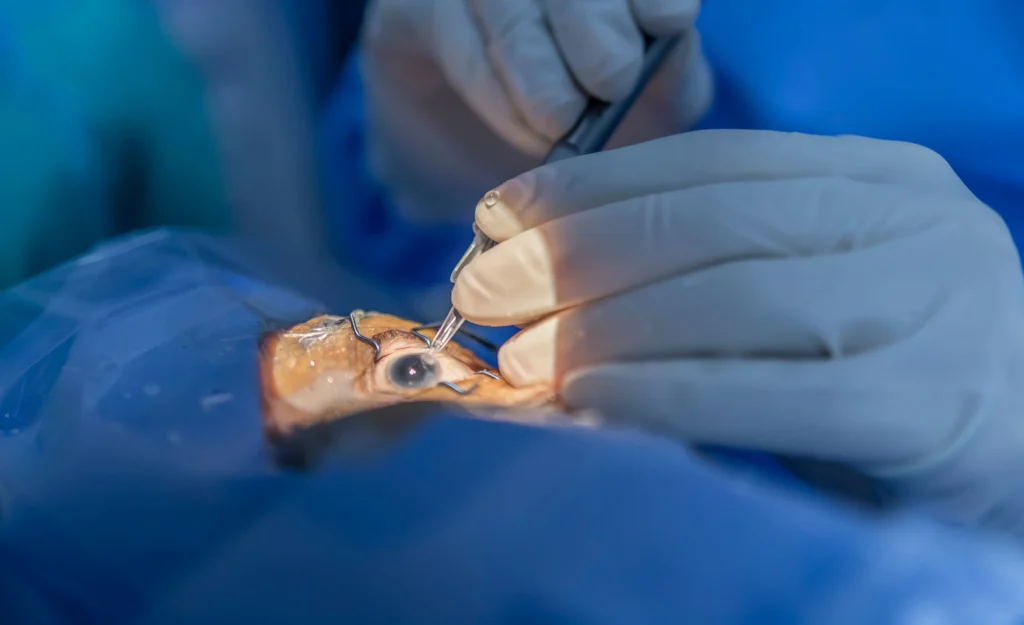
Cataracts are one of the leading causes of blurred vision, especially with advancing age. They develop when the eye’s natural lens becomes cloudy, making everyday activities such as reading, driving, and recognising faces increasingly difficult. Fortunately, cataract surgery is a safe, quick, and highly successful procedure that restores clear vision and improves quality of life.
Why Choose Pristine Eye Clinic
Why Choose Pristine Eye Clinic for Cataract Surgery?
At Pristine Eye Clinic, we combine advanced cataract technology with personalised care to provide safe, precise, and effective vision restoration. Every patient undergoes a detailed eye evaluation to determine the most suitable surgical approach and intraocular lens (IOL), ensuring excellent visual outcomes and faster recovery.
- Highest safety standard
- High success rate with low complication rate
- Experienced Surgeons
- Ethical work and integrity in eye care
- Transparent Pricing
- Personalized Treatment Plans
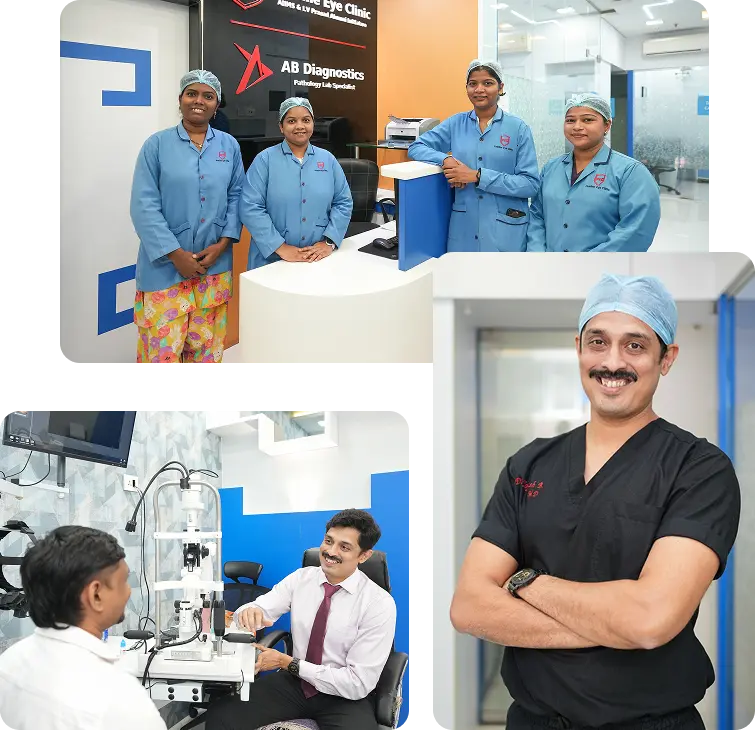
Meet Your Ophthalmologist
Dr. Yogesh Bhadange
Dr. Yogesh Bhadange is a fellowship-trained Cornea, Cataract, and Refractive Surgeon with over 15 years of clinical and surgical experience. Trained at AIIMS, New Delhi, L.V. Prasad Eye Institute, and Price Vision Group, USA, he specializes in advanced cataract surgery, corneal disorders, keratoconus, corneal transplantation, and laser vision correction. His patient-first approach and commitment to evidence-based care have earned him the trust of patients across Mumbai.
Benefits of Cataract Surgery Treatment
How Cataract Surgery Can Improve Your Vision & Quality of Life?
Modern cataract surgery not only removes the cloudy lens but also replaces it with a clear artificial lens, allowing patients to enjoy improved vision and greater independence.
Restores Clear Vision
Removes the cloudy cataract lens and significantly improves visual clarity.
Improves Quality of Life
Makes reading, driving, working, and daily activities easier and more enjoyable.
Reduces Glare & Halos
Minimises glare from headlights and bright lights, especially during night driving.
Enhances Contrast & Colour Vision
Colours appear brighter and sharper after cataract removal.
Improves Vision with Premium IOLs
Premium lenses may reduce dependence on spectacles for distance, intermediate, and near vision.
Safe & Highly Successful Procedure
Modern cataract surgery is one of the safest and most successful surgical procedures performed worldwide.
Looking After Your Vision Starts with the Right Care
Whether you're experiencing changes in your vision or have been diagnosed with cataracts, our team is here to guide you with expert advice, comprehensive evaluation, and personalised treatment.
How Cataract Surgery Helps?
Understanding Cataract Surgery
Cataract surgery is a minimally invasive procedure performed to remove the eye’s cloudy natural lens (cataract) and replace it with a clear artificial intraocular lens (IOL). The procedure is usually completed within 15–30 minutes under local anaesthesia and does not require hospital admission.
Using advanced phacoemulsification technology, the cloudy lens is gently broken into tiny fragments using ultrasound energy and removed through a very small incision. A customised IOL is then implanted to restore clear vision. Most patients experience significant improvement in vision within a few days, with complete recovery over the following weeks.
Symptoms to Know When to Get Cataract Surgery Done?
Common Signs That You May Need Cataract Surgery
If cataracts begin affecting your daily life, your ophthalmologist may recommend surgery.
You may benefit from cataract surgery if you experience:
- Blurred or cloudy vision
- Difficulty seeing at night
- Increased glare or halos around lights
- Frequent changes in spectacle prescription
- Faded or dull colour vision
- Double vision in one eye
- Difficulty reading or driving
- Reduced ability to perform daily activities due to poor vision
Why Timely Diagnosis Matters
Timely Cataract Evaluation Helps Achieve Better Outcomes
Early diagnosis allows your ophthalmologist to monitor cataract progression and recommend surgery at the most appropriate time.
Protects Your Vision
Timely evaluation prevents cataracts from significantly affecting daily activities and overall quality of life.
Better Surgical Planning
Accurate pre-operative measurements help select the most appropriate surgical technique and intraocular lens.
Detects Other Eye Conditions
A comprehensive eye examination can identify glaucoma, retinal diseases, diabetic eye disease, or corneal disorders that may influence treatment planning.
Improves Surgical Outcomes
Undergoing surgery before cataracts become excessively dense often results in smoother surgery, faster recovery, and better visual outcomes.
Cataract Surgery Options at Pristine Eye Clinic
At Pristine Eye Clinic, we offer advanced cataract surgery tailored to the complexity of your cataract, overall eye health, and lifestyle requirements.
Advanced Phacoemulsification Cataract Surgery
The most commonly performed modern cataract procedure, using ultrasound technology to remove the cloudy lens through a tiny incision. This technique offers:
- Small incision surgery
- Minimal discomfort
- Faster visual recovery
- Reduced healing time
- Excellent safety and precision
Complex Cataract Surgery
Some cataracts require specialised surgical techniques due to dense cataracts, previous eye surgeries, trauma, weak lens support, or associated eye diseases.
Complex cataract surgery may involve:
- Advanced surgical planning
- Specialised instruments and devices
- Careful management of associated eye conditions
- Individualised post-operative care for optimal outcomes
Premium IOL Implantation
Modern cataract surgery offers a range of premium intraocular lenses to reduce dependence on glasses after surgery.
Monofocal IOL – Provides excellent vision at one fixed distance, typically for distance vision.
Toric IOL – Corrects cataracts along with pre-existing corneal astigmatism.
Trifocal IOL – Provides clear distance, intermediate, and near vision, reducing the need for spectacles.
Extended Depth of Focus (EDOF) IOL – Offers a continuous range of vision with fewer visual disturbances, making it suitable for many active lifestyles.
Get Quality Eye Care Anytime
Schedule your appointment with our trusted optometrists and receive professional eye care tailored to your needs using advanced diagnostic technology.
Patient FAQs
Frequently Asked Questions About Cataract Surgery
Have Questions About Cataract Surgery?
Choosing cataract surgery is an important decision. Here are answers to some of the most commonly asked questions to help you understand the procedure, recovery, and expected outcomes.
Cataract surgery is recommended when blurred vision begins interfering with everyday activities such as reading, driving, watching television, or working.
No. Cataract surgery is performed under local anaesthesia using numbing eye drops, making the procedure comfortable for most patients.
The procedure usually takes 15–30 minutes, and patients typically return home the same day.
Many patients notice improved vision within a few days, although complete healing may take several weeks depending on the eye.
This depends on the type of intraocular lens (IOL) selected. Premium lenses such as Toric, Trifocal, and EDOF IOLs can significantly reduce dependence on spectacles for many patients.
Yes. Modern phacoemulsification cataract surgery is one of the safest and most successful surgical procedures, with high success rates when performed by experienced surgeons.
Book Appointment
Schedule Your Consultation
Whether you're experiencing changes in your vision or would like a comprehensive eye examination, our team is here to help. Book a consultation with Dr. Yogesh Bhadange for expert evaluation and personalised eye care.
- Pristine eye clinic, first floor, Chaitanya residency, Jay Prakash Nagar road no.2, Goregaon East, Mumbai-400063., Maharashtra, India
- pristineeyeclinic@gmail.com