
Corneal Transplant & Reconstruction
- Home
- /
- Corneal Transplant & Reconstruction
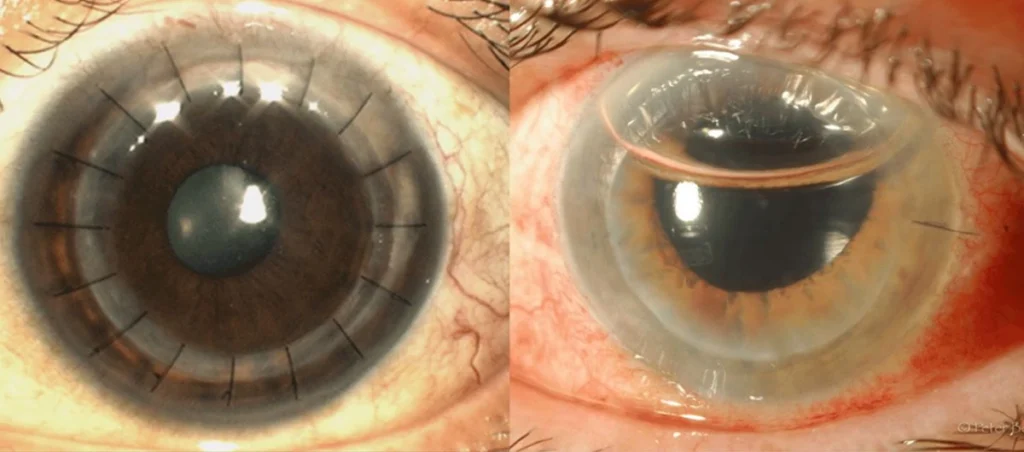
The cornea is the clear, dome-shaped front surface of the eye that plays a vital role in focusing light for clear vision. Diseases, infections, injuries, or inherited corneal disorders can damage the cornea, leading to blurred vision, pain, and, in severe cases, vision loss. When medical treatment is no longer effective, corneal transplantation or reconstructive surgery can help restore vision and improve eye health.
Why Choose Pristine Eye Clinic
Why Choose Pristine Eye Clinic for Corneal Transplant & Reconstruction?
At Pristine Eye Clinic, we specialise in advanced corneal surgeries with a personalised approach for every patient. Using modern diagnostic technology and evidence-based surgical techniques, we aim to restore vision while preserving as much healthy corneal tissue as possible.
- Highest safety standard
- High success rate with low complication rate
- Experienced Surgeons
- Ethical work and integrity in eye care
- Transparent Pricing
- Personalized Treatment Plans
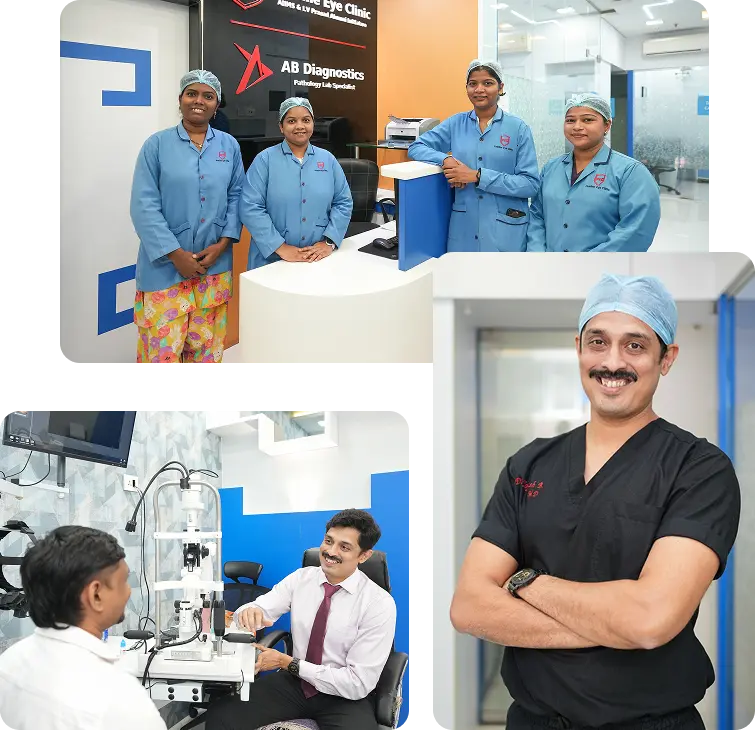
Meet Your Ophthalmologist
Dr. Yogesh Bhadange
Dr. Yogesh Bhadange is a fellowship-trained Cornea, Cataract, and Refractive Surgeon with over 15 years of clinical and surgical experience. Trained at AIIMS, New Delhi, L.V. Prasad Eye Institute, and Price Vision Group, USA, he specializes in advanced cataract surgery, corneal disorders, keratoconus, corneal transplantation, and laser vision correction. His patient-first approach and commitment to evidence-based care have earned him the trust of patients across Mumbai.
OUR BENEFITS
How Corneal Transplant Surgery Can Improve Vision
Modern corneal transplantation replaces damaged corneal tissue with healthy donor tissue, helping restore vision, relieve pain, and improve the quality of life.
Restores Clear Vision
Replaces damaged or scarred corneal tissue to improve visual clarity.
Relieves Pain & Discomfort
Helps reduce pain caused by severe corneal disease, ulcers, or bullous keratopathy.
Preserves Healthy Corneal Tissue
Partial-thickness transplant procedures preserve healthy layers of the cornea whenever possible.
Improves Corneal Clarity
Restores a healthier and more transparent cornea.
Personalised Surgical Approach
The most appropriate transplant technique is selected based on the underlying condition.
Excellent Long-Term Outcomes
Modern corneal transplant procedures provide high success rates with appropriate follow-up care.
Looking After Your Vision Starts with the Right Care
Whether you're experiencing changes in your vision or have been diagnosed with cataracts, our team is here to guide you with expert advice, comprehensive evaluation, and personalised treatment.
What is Corneal Transplant & Reconstruction?
Understanding Corneal Transplant Surgery
Corneal transplantation, also known as keratoplasty, is a surgical procedure in which damaged or diseased corneal tissue is replaced with healthy donor corneal tissue. Depending on the condition, only the affected layers of the cornea may be replaced, or a full-thickness transplant may be performed.
Corneal reconstruction also includes specialised procedures that restore the structure and function of the cornea following infections, injuries, thinning disorders, or previous surgeries. The goal is to improve vision, preserve the eye, and maintain long-term corneal health.
Symptoms to Know When You May Need Corneal Transplant Surgery
Common Signs That Require Specialist Evaluation
You may require corneal transplant or reconstruction if you experience:
- Persistent blurred vision not improving with glasses
- Corneal scarring after infection or injury
- Progressive corneal thinning
- Pain due to corneal swelling
- Recurrent corneal ulcers
- Distorted vision caused by advanced corneal disease
- Poor vision following previous corneal surgery
- Failure of previous corneal transplant
Why Timely Diagnosis Matters
Timely Diagnosis Helps Preserve Vision
Prompt diagnosis allows appropriate treatment before permanent vision loss or irreversible corneal damage develops.
Prevents Further Corneal Damage
Early treatment helps preserve healthy corneal tissue and prevents disease progression.
Enables Better Surgical Planning
Advanced imaging helps determine the most suitable transplant technique.
Improves Visual Outcomes
Timely surgery generally results in better visual recovery and long-term success.
Reduces Risk of Complications
Early management lowers the risk of severe infection, perforation, and irreversible vision loss.
Types of Corneal Transplant & Reconstruction
Advanced Corneal Transplant & Reconstruction Procedures at Pristine Eye Clinic
Corneal transplantation and reconstruction procedures are selected based on the layer of the cornea affected and the underlying eye condition. Whenever possible, modern techniques aim to replace only the damaged tissue while preserving healthy corneal structures, resulting in faster recovery and improved long-term outcomes.
DMEK (Descemet Membrane Endothelial Keratoplasty)
DMEK is the most advanced form of endothelial corneal transplantation, in which only the diseased Descemet membrane and endothelial cells are replaced with healthy donor tissue. It is commonly recommended for conditions such as Fuchs’ Endothelial Dystrophy and bullous keratopathy.
Benefits include:
- Replaces only the damaged inner corneal layer
- Faster visual recovery
- Excellent visual outcomes
- Lower risk of graft rejection
- Preserves the natural corneal structure
DSEK (Descemet Stripping Endothelial Keratoplasty)
DSEK is a partial-thickness corneal transplant that replaces the damaged endothelial layer along with a thin layer of donor tissue. It is an effective treatment for endothelial disorders that affect corneal clarity.
Benefits include:
- Small incision procedure
- Faster healing than full-thickness transplantation
- Preserves most of the patient’s cornea
- Improved corneal clarity and vision
- Reduced risk of complications compared to traditional corneal transplant
Penetrating Keratoplasty (Full-thickness Corneal Transplant)
Penetrating Keratoplasty (PK) is a full-thickness corneal transplant in which the entire diseased cornea is replaced with healthy donor tissue. It is recommended when all layers of the cornea are affected by disease, infection, trauma, or severe scarring.
Benefits include:
- Restores vision in advanced corneal disease
- Suitable for severe corneal scarring and perforation
- Replaces the entire damaged cornea
- Proven long-term treatment option
- Helps restore the structural integrity of the eye
Amniotic Membrane Transplantation (AMT)
Amniotic Membrane Transplantation (AMT) is a reconstructive procedure that uses a specially processed amniotic membrane to promote healing of the ocular surface. It is commonly performed for persistent corneal ulcers, chemical injuries, ocular surface inflammation, and non-healing epithelial defects.
Benefits include:
- Promotes faster healing of the ocular surface
- Reduces inflammation and scarring
- Relieves pain and discomfort
- Supports regeneration of damaged tissue
- Helps preserve the ocular surface in severe eye conditions
Simple Limbal Epithelial Transplantation (SLET)
Simple Limbal Epithelial Transplantation (SLET) is an advanced procedure used to treat Limbal Stem Cell Deficiency (LSCD). Healthy limbal stem cells from the patient’s unaffected eye are transplanted to regenerate the damaged corneal surface and restore its function.
Benefits include:
- Restores a healthy corneal surface
- Promotes regeneration of limbal stem cells
- Improves corneal clarity and vision
- Effective treatment for unilateral limbal stem cell deficiency
- Reduces the risk of long-term ocular surface complications
Mucous Membrane Grafting
Mucous Membrane Grafting is a reconstructive procedure used for patients with severe ocular surface disorders, chemical burns, Stevens-Johnson Syndrome, or cicatricial eye diseases. Healthy mucosal tissue, usually taken from the inside of the mouth, is transplanted to reconstruct damaged eyelid or ocular surface tissues.
Benefits include:
- Restores damaged ocular surface tissue
- Improves eyelid function and ocular surface stability
- Reduces chronic irritation and inflammation
- Helps protect the cornea from further damage
- Enhances long-term comfort and supports visual rehabilitation
Get Quality Eye Care Anytime
Schedule your appointment with our trusted optometrists and receive professional eye care tailored to your needs using advanced diagnostic technology.
Patient FAQs
Frequently Asked Questions About Corneal Transplant & Reconstruction
Have Questions About Corneal Transplant Surgery?
Corneal transplantation is a highly specialised procedure that can restore vision and improve quality of life for many patients. Here are answers to some of the most frequently asked questions.
A corneal transplant is a surgical procedure that replaces damaged or diseased corneal tissue with healthy donor tissue to restore vision and improve corneal health.
Patients with keratoconus, corneal scars, Fuchs' dystrophy, corneal ulcers, bullous keratopathy, corneal perforation, or failed previous grafts may benefit from corneal transplantation.
These procedures replace different layers of the cornea. Partial-thickness transplants (DALK, DSEK, DMEK) preserve healthy tissue whenever possible, while PK replaces the entire cornea.
Recovery depends on the type of transplant performed. Partial-thickness procedures often recover faster than full-thickness transplants, although complete visual stabilisation may take several months.
Yes. Modern corneal transplantation has high success rates, especially when performed by an experienced corneal surgeon with appropriate post-operative care and regular follow-up.
Many patients still require glasses or specialty contact lenses after surgery to achieve their best possible vision, depending on the underlying condition and healing process.
Book Appointment
Schedule Your Consultation
Whether you're experiencing changes in your vision or would like a comprehensive eye examination, our team is here to help. Book a consultation with Dr. Yogesh Bhadange for expert evaluation and personalised eye care.
- Pristine eye clinic, first floor, Chaitanya residency, Jay Prakash Nagar road no.2, Goregaon East, Mumbai-400063., Maharashtra, India
- pristineeyeclinic@gmail.com