
Refractive
- Home
- /
- Refractive
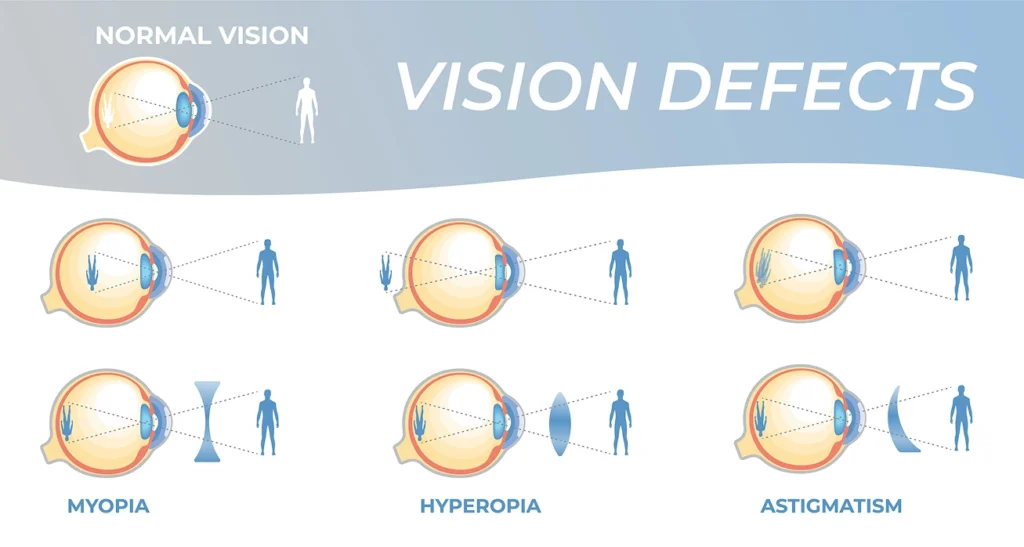
Refractive conditions are common eye conditions that occur when the shape of the eye prevents light from focusing correctly on the retina, resulting in blurred or unclear vision. Common refractive errors include myopia (short-sightedness), hyperopia (long-sightedness), astigmatism, and presbyopia. They can affect vision at different distances and may cause symptoms such as eye strain, headaches, squinting, or difficulty seeing clearly. With an accurate eye examination and the right vision correction, refractive conditions can be effectively managed to provide clearer, more comfortable vision.
Why Choose Pristine Eye Clinic
Why Choose Pristine Eye Clinic for Refractive Error Treatment
At Pristine Eye Clinic, we provide comprehensive evaluation and personalised treatment for refractive conditions such as myopia, hyperopia, astigmatism, and presbyopia. Our eye specialists assess your vision, eye health, and individual needs to recommend the most suitable vision correction option, helping you achieve clearer and more comfortable vision.
- Highest safety standard
- High success rate with low complication rate
- Experienced Surgeons
- Ethical work and integrity in eye care
- Transparent Pricing
- Personalized Treatment Plans
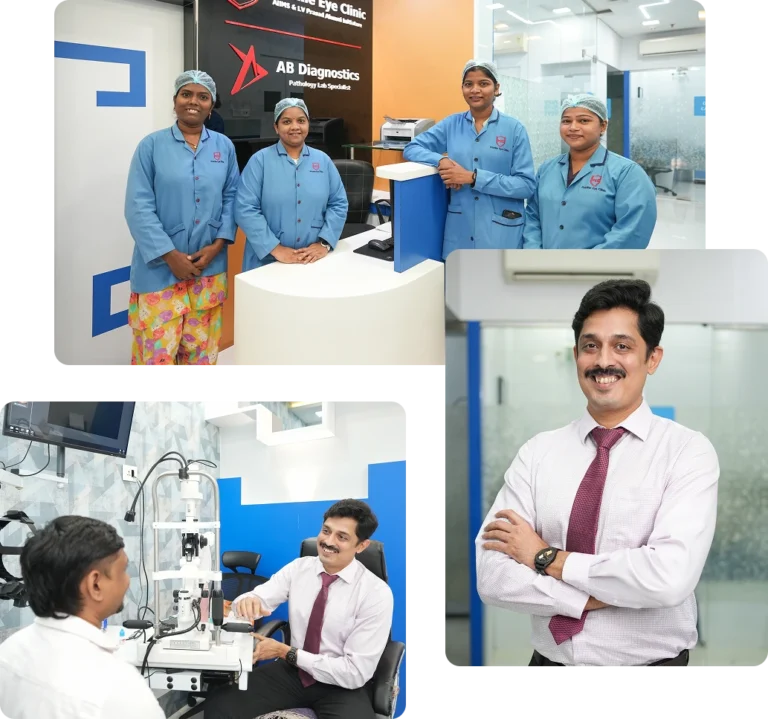
Meet Your Ophthalmologist
Dr. Yogesh Bhadange
Dr. Yogesh Bhadange is a fellowship-trained Cornea, Cataract, and Refractive Surgeon with over 15 years of clinical and surgical experience. Trained at AIIMS, New Delhi, L.V. Prasad Eye Institute, and Price Vision Group, USA, he specializes in advanced cataract surgery, corneal disorders, keratoconus, corneal transplantation, and laser vision correction. His patient-first approach and commitment to evidence-based care have earned him the trust of patients across Mumbai.
Our Benifits
Why Timely Refractive Error Correction Matters
Early evaluation and appropriate treatment of an eye infection can help relieve discomfort, prevent the infection from worsening, and protect your vision. A timely eye examination also helps identify the underlying cause and ensures the right treatment approach.
Clearer Vision
Correcting refractive errors helps improve clarity and makes it easier to see objects at the required distance.
Better Quality of Life
Clearer vision can make everyday activities such as reading, driving, working, and using digital screens more comfortable.
Reduces Eye Strain
Appropriate vision correction can help reduce symptoms such as squinting, headaches, and eye strain associated with uncorrected refractive errors.
Improves Visual Comfort
Accurate correction of myopia, hyperopia, and astigmatism can provide more comfortable and consistent vision.
Personalised Vision Correction
Depending on your condition and visual needs, correction may include eyeglasses, contact lenses, or refractive surgery.
Supports Long-Term Eye Care
Regular eye examinations help monitor your prescription and can also identify other eye health concerns that may affect vision.
Looking After Your Vision Starts with the Right Care
Whether you're experiencing changes in your vision or have been diagnosed with cataracts, our team is here to guide you with expert advice, comprehensive evaluation, and personalised treatment.
What are Refractive Conditions?
Refractive conditions, also known as refractive errors, occur when the shape or length of the eye prevents light from focusing correctly on the retina, resulting in blurred or distorted vision. Common refractive errors include myopia (short-sightedness), hyperopia (long-sightedness), astigmatism, and presbyopia. They can affect vision at different distances and can usually be corrected with glasses, contact lenses, or, for suitable patients, refractive surgery.
Common Symptoms of Refractive Conditions
You may have a refractive error if you experience:
- Blurred or hazy vision
- Difficulty seeing distant objects clearly
- Difficulty focusing on nearby objects
- Distorted or unclear vision
- Frequent squinting to see clearly
- Eye strain or tired eyes
- Headaches after reading or screen use
- Difficulty seeing clearly at night
- Glare or halos around bright lights
- Difficulty focusing while reading or using a computer
Why Early Diagnosis Matters
Improves Visual Clarity
Accurate identification of refractive errors helps provide the right correction for clearer, sharper vision.
Helps Choose the Right Correction
An eye examination helps your ophthalmologist determine whether glasses, contact lenses, or refractive surgery may be suitable for your vision needs.
Reduces Eye Strain
Correcting an unaddressed refractive error can help reduce symptoms such as squinting, headaches, tired eyes, and difficulty focusing.
Detects Other Eye Conditions
A comprehensive eye examination can assess overall eye health and may identify other eye problems alongside a refractive error.
Types of Refractive Conditions
Refractive conditions occur when the eye does not focus light correctly on the retina, resulting in blurred or distorted vision.
- Myopia (Nearsightedness) – Makes distant objects appear blurry while nearby objects are usually clearer.
- Hyperopia (Farsightedness) – Can make nearby objects difficult to see clearly and, in some cases, affect vision at all distances.
- Astigmatism – Causes blurred or distorted vision at near and far distances due to an irregular shape of the cornea or lens.
- Presbyopia – An age-related refractive condition that makes it increasingly difficult to focus on nearby objects.
Get Quality Eye Care Anytime
Schedule your appointment with our trusted optometrists and receive professional eye care tailored to your needs using advanced diagnostic technology.
Patient FAQs
Frequently Asked Questions About Refractive Conditions
Have questions about refractive errors, their symptoms, or treatment options? We’ve answered some of the most common questions to help you understand conditions such as myopia, hyperopia, astigmatism, and presbyopia and choose the right vision correction.
Common symptoms include blurred or hazy vision, difficulty seeing clearly at certain distances, squinting, headaches, eye strain, glare or halos, and difficulty focusing while reading or using a computer.
The four common types are myopia (nearsightedness), hyperopia (farsightedness), astigmatism, and presbyopia. Each affects the way light focuses on the retina and can cause different vision problems.
Yes. Most refractive errors can be corrected with prescription eyeglasses or contact lenses. Refractive surgery may be an option for some patients depending on their eye health and individual suitability.
Refractive surgery may be considered by suitable adults who want to reduce their dependence on glasses or contact lenses. A comprehensive eye examination is required to determine whether surgery is appropriate for you.
Some refractive errors, particularly myopia, can change over time. Presbyopia also naturally develops with age and commonly affects near vision from around the mid-40s onward. Regular eye examinations help monitor changes in your vision.
Refractive errors are diagnosed through a comprehensive eye examination, which may include vision testing and refraction to determine the appropriate prescription. Your ophthalmologist may also evaluate overall eye health to check for other conditions.
Book Appointment
Schedule Your Consultation
Whether you're experiencing changes in your vision or would like a comprehensive eye examination, our team is here to help. Book a consultation with Dr. Yogesh Bhadange for expert evaluation and personalised eye care.
- Pristine eye clinic, first floor, Chaitanya residency, Jay Prakash Nagar road no.2, Goregaon East, Mumbai-400063., Maharashtra, India
- pristineeyeclinic@gmail.com