
Post-Refractive Surgery Problems
- Home
- /
- Post-Refractive Surgery Problems
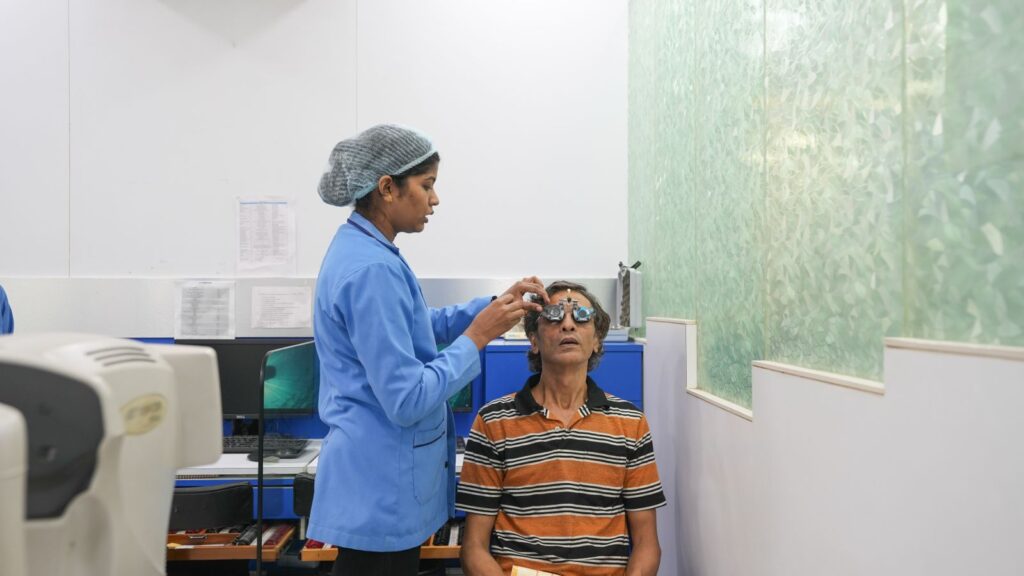
Keratoconus and irregular corneal disorders can affect the shape of the cornea, leading to blurred or distorted vision and reduced visual quality. At Pristine Eye Clinic, Dr. Yogesh Bhadange provides comprehensive evaluation and personalised treatment to help preserve vision, slow disease progression, and improve long-term eye health
Why Choose Pristine Eye Clinic
Why Choose Pristine Eye Clinic for Post-Refractive Surgery Problems?
At Pristine Eye Clinic, we specialise in diagnosing and managing vision problems after LASIK, SMILE, and PRK. Led by Dr. Yogesh Bhadange, our approach combines advanced diagnostic technology with personalised treatment plans to restore visual comfort, improve clarity, and achieve the best possible long-term outcomes.
- Highest safety standard
- High success rate with low complication rate
- Experienced Surgeons
- Ethical work and integrity in eye care
- Transparent Pricing
- Personalized Treatment Plans
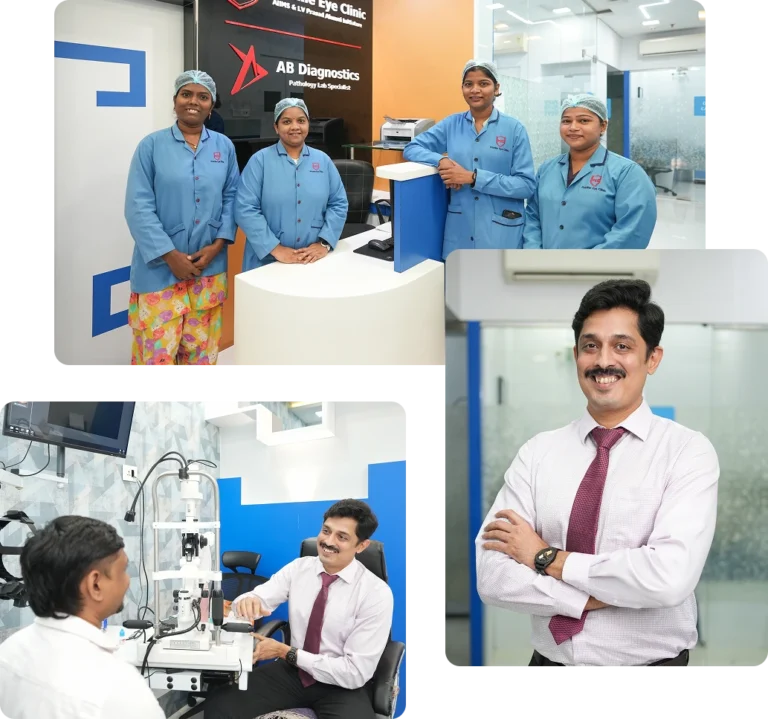
Meet Your Ophthalmologist
Dr. Yogesh Bhadange
Dr. Yogesh Bhadange is a fellowship-trained Cornea, Cataract, and Refractive Surgeon with over 15 years of clinical and surgical experience. Trained at AIIMS, New Delhi, L.V. Prasad Eye Institute, and Price Vision Group, USA, he specializes in advanced cataract surgery, corneal disorders, keratoconus, corneal transplantation, and laser vision correction. His patient-first approach and commitment to evidence-based care have earned him the trust of patients across Mumbai.
Our Benifits
Why Timely Treatment for Post-Refractive Surgery Problems Matters
Prompt diagnosis and expert management of post-refractive surgery complications can restore visual quality, improve comfort, and prevent long-term vision issues. At Pristine Eye Clinic, we use advanced diagnostic technology and personalised treatment plans to help patients achieve the best possible visual outcomes after LASIK, SMILE, or PRK.
Restores Clear & Comfortable Vision
Improves blurred vision, eye discomfort, and visual disturbances after refractive surgery.
Relieves Dry Eye Symptoms
Reduces burning, irritation, redness, and fluctuating vision caused by post-LASIK dry eye.
Improves Night Vision
Minimises glare, halos, starbursts, and difficulty driving at night.
Corrects Residual Vision Problems
Treats remaining spectacle power or suboptimal visual outcomes after LASIK, SMILE, or PRK.
Prevents Long-Term Complications
Early treatment helps manage corneal haze, ectasia, and other post-surgical complications before they worsen.
Safe & Personalised Treatment
Advanced diagnostics and customised treatment plans ensure safe, effective, and long-lasting visual rehabilitation.
Looking After Your Vision Starts with the Right Care
Whether you're experiencing changes in your vision or have been diagnosed with cataracts, our team is here to guide you with expert advice, comprehensive evaluation, and personalised treatment.
What are Post-Refractive Surgery Problems?
Post-refractive surgery problems are vision or eye comfort issues that may occur after procedures such as LASIK, SMILE, or PRK. While most patients achieve excellent visual outcomes, some may experience temporary or persistent symptoms due to dry eye, residual refractive error, corneal healing, or other surgical complications. With timely diagnosis and appropriate treatment, most post-refractive surgery problems can be effectively managed to restore comfortable, clear vision.
Common Symptoms of Post-Refractive Surgery Problems
You may have a post-refractive surgery problem if you experience:
- Blurred or fluctuating vision
- Persistent dry eye, burning, or irritation
- Glare, halos, or starbursts around lights
- Difficulty driving at night or in dim lighting
- Residual spectacle power after LASIK, SMILE, or PRK
- Hazy vision following PRK surgery
- Eye strain or reduced visual sharpness
- Persistent discomfort or suboptimal vision after refractive surgery
Why Early Diagnosis Matters
Prevents Long-Term Vision Problems
Early diagnosis helps identify the cause of persistent vision issues and prevents complications from worsening.
Enables Personalised Treatment
Detailed evaluation allows your eye specialist to recommend the most appropriate treatment based on the underlying condition.
Detects Post-Surgical Complications Early
Advanced eye examinations can identify dry eye, corneal haze, residual refractive error, ectasia, or other complications before they progress.
Improves Visual Outcomes
Timely treatment increases the chances of restoring clear, comfortable vision and achieving the best possible long-term results after LASIK, SMILE, or PRK.
Types of Post-Refractive Surgery Problems
✓ Post-LASIK Dry Eye – A common condition where reduced tear production or tear film instability after LASIK causes dryness, irritation, and fluctuating vision.
✓ Residual Power after LASIK / SMILE / PRK – A small amount of remaining refractive error after surgery that may affect the sharpness of vision.
✓ Post-PRK Haze – Corneal haze that develops during the healing process after PRK, leading to reduced visual clarity.
✓ Post-SMILE Suboptimal Vision – Less-than-expected visual outcomes after SMILE due to healing variations, residual refractive error, or other corneal factors.
✓ Glare, Halos & Night Vision Problems – Visual disturbances such as glare, halos around lights, starbursts, or difficulty driving at night following refractive surgery.
✓ LASIK Complications -Rare complications such as flap-related issues, corneal ectasia, infection, or delayed healing that require specialist care.
Get Quality Eye Care Anytime
Schedule your appointment with our trusted optometrists and receive professional eye care tailored to your needs using advanced diagnostic technology.
Patient FAQs
Frequently Asked Questions About Post-Refractive Surgery Problems
Have questions about vision issues after LASIK, SMILE, or PRK? Find answers to some of the most common concerns to help you better understand these conditions and the treatment options available.
Blurred vision after refractive surgery may occur due to dry eyes, residual power, corneal healing, or other post-surgical changes. A detailed eye examination can identify the underlying cause.
Yes. Temporary dry eye is one of the most common side effects after LASIK. Most patients improve with appropriate treatment, while some may require longer-term management.
Residual power refers to a small remaining spectacle number after LASIK, SMILE, or PRK. Depending on the amount and your visual needs, it may be managed with glasses, contact lenses, or an enhancement procedure.
Glare, halos, and reduced night vision can occur during the healing period or due to certain corneal changes. These symptoms often improve over time, but persistent problems should be evaluated by a specialist.
Yes. Corneal haze following PRK can often be managed with medications or other treatments, depending on its severity and the stage of healing.
Suboptimal vision after SMILE may result from residual refractive error, dry eye, healing variations, or other corneal factors. A comprehensive assessment helps determine the appropriate treatment.
If you experience persistent blurred vision, eye discomfort, glare, halos, dry eyes, or any unexpected visual changes after LASIK, SMILE, or PRK, you should seek an evaluation as soon as possible.
Book Appointment
Schedule Your Consultation
Whether you're experiencing changes in your vision or would like a comprehensive eye examination, our team is here to help. Book a consultation with Dr. Yogesh Bhadange for expert evaluation and personalised eye care.
- Pristine eye clinic, first floor, Chaitanya residency, Jay Prakash Nagar road no.2, Goregaon East, Mumbai-400063., Maharashtra, India
- pristineeyeclinic@gmail.com